

TL;DR:
- Minimalist clothing has diverse benefits and impacts depending on whether it emphasizes ownership reduction, intentional choices, or aesthetic simplicity. Animal-themed minimalist shirts can express personality and foster mindful consumption, aligning with wellbeing and ethical values. However, true sustainability requires deliberate curation, avoiding overconsumption driven by trends or aesthetics alone.
Minimalist clothing sounds simple enough. Fewer items, cleaner designs, a wardrobe that doesn’t overwhelm you every morning. But here’s something most style guides won’t tell you: not all minimalism works the same way, and the choices you make can affect your mood, your wallet, and even the planet. Research shows that minimalism can lower ecological footprint and boost personal wellbeing, but the type of minimalism matters enormously. Animal-themed minimalist clothing sits right in this sweet spot, blending humor, self-expression, and intentional design into pieces you’ll actually want to keep.
Table of Contents
- What really makes minimalist clothing different?
- The link between minimalist trends, personal wellbeing, and ethical values
- Sustainability in practice: Is minimalist clothing always eco-friendly?
- Applying minimalism: Curate your unique, humorous animal style
- The uncomfortable truth about minimalist trends in fashion
- Discover expressive minimalist animal shirts
- Frequently asked questions
Key Takeaways
| Point | Details |
|---|---|
| Know the types of minimalism | Only ‘few belongings’ and mindful minimalism truly benefit wellbeing and the environment. |
| Ethical values drive choices | Minimalism enables stronger environmental identity and personal norms in clothing decisions. |
| Watch out for hidden overconsumption | Minimalist trends aren’t always eco-friendly if items are frequently replaced or bought in excess. |
| Curate with humor and meaning | Choose animal-themed minimalist shirts that represent your personality and creativity while minimizing waste. |
| Focus on mindful curation | True minimalist style comes from self-expression and longevity, not chasing aesthetics alone. |
What really makes minimalist clothing different?
Not all minimalist clothing is created equal. The word gets thrown around a lot in fashion, but there’s a real distinction between owning fewer things, making mindful choices, and simply preferring clean aesthetics. Each approach delivers a very different outcome for your life and the environment.
Research on minimalism’s ecological and wellbeing effects identifies three distinct types worth understanding. Few belongings minimalism means literally owning less. You own fewer shirts, fewer pairs of shoes, fewer options. That restriction naturally reduces your consumption and shrinks your environmental footprint over time. Mindful minimalism is about intentionality. You choose every item with care, asking whether it aligns with your values, your personality, and your everyday needs. Aesthetic minimalism focuses on the look. Clean lines, neutral tones, simple designs. But here’s the catch: aesthetic minimalism doesn’t automatically mean you’re buying less or buying better.
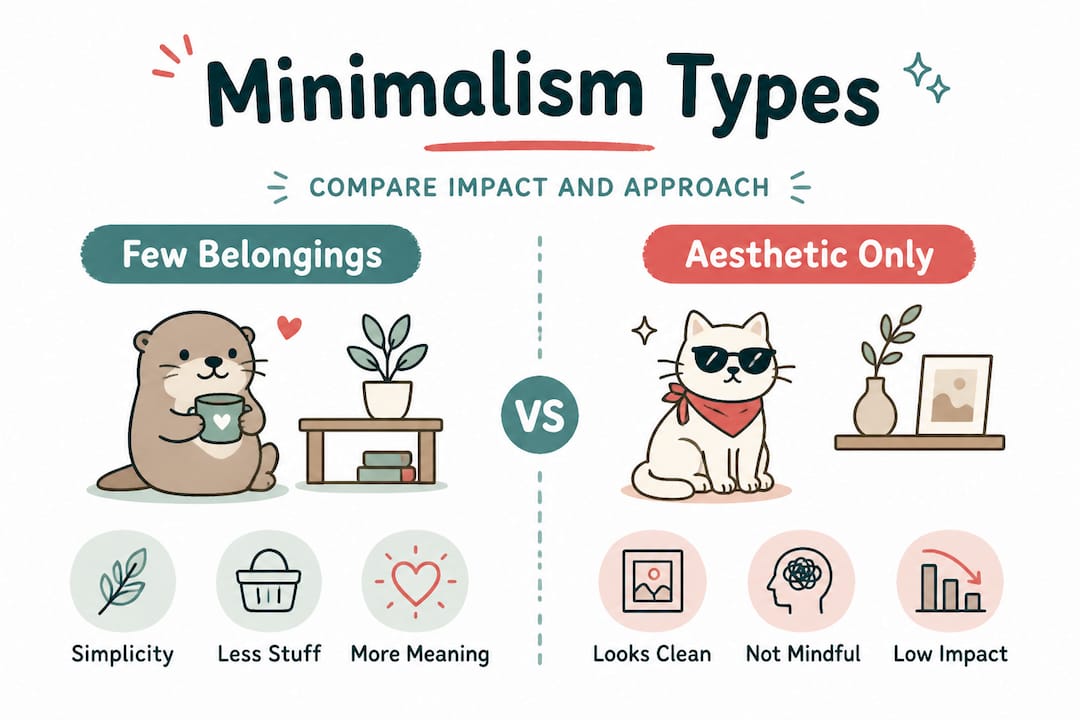
| Type | Focus | Environmental impact | Wellbeing effect |
|---|---|---|---|
| Few belongings | Owning less | High positive impact | Moderate improvement |
| Mindful | Intentional choices | High positive impact | Strong improvement |
| Aesthetic | Visual simplicity | Minimal to none | Variable |
This table matters because most people chasing the minimalist trend land firmly in the aesthetic category. They buy clean, simple looking pieces constantly, rotating through them without ever actually consuming less. That’s a trap worth avoiding.
So where do animal-themed minimalist shirts fit into all of this? Surprisingly well, actually. A hand-drawn penguin on a soft cotton tee isn’t just cute. It’s a piece that carries personal meaning, sparks humor, and tells something true about who you are. When you choose a shirt because a tiny T-Rex genuinely makes you laugh or a minimalist frog illustration perfectly captures your vibe, you’re practicing mindful minimalism without even trying. You can explore what animal graphic tees actually represent in terms of design philosophy, and once you understand the craft behind them, those choices start feeling even more deliberate.
Designs built around graphic minimalism principles strip everything down to what matters most. A single character. A bold, clean line. A small burst of personality. That’s different from wearing a shirt covered in competing graphics that fade into noise.
The link between minimalist trends, personal wellbeing, and ethical values
Minimalism isn’t just about looking put-together. There’s a well-documented psychological path that runs from minimalist living straight to more ethical purchasing decisions. Understanding that path helps you make better choices, not just more stylish ones.
Ethical consumption modeling shows that minimalism connects to ethical fashion choices through specific psychological steps. Here’s how that process works in practice:
- You begin simplifying your space and wardrobe. This initial step creates mental breathing room.
- You develop a stronger environmental identity. Owning and consuming less makes you see yourself as someone who cares about the planet.
- Your personal norms shift. You start holding yourself to new standards, feeling uncomfortable with wasteful purchases.
- You evaluate clothing differently. Instead of asking “Is this trendy?” you ask “Is this worth keeping?”
- You make purchases that last. You invest in pieces that reflect your personality and hold meaning over time.
That five-step journey is backed by survey data examining how minimalist values interact with purchase behavior. The effects aren’t minor either. Environmental identity and personal norms act as strong mediators between minimalist lifestyle and ethical consumption habits.
“Minimalism strengthens ethical purchasing behavior through psychological mechanisms, including environmental identity and personal norms, creating a measurable path from lifestyle to conscious consumption.” Ethical consumption research
Pro Tip: Before your next clothing purchase, ask yourself two questions. First, does this design actually mean something to me? Second, will I still love this in three years? If yes to both, that’s mindful minimalism in action.
This is exactly why minimalist animal tees stand apart from generic basics. A shirt with a hand-drawn giraffe or a quietly mischievous frog carries a specific emotional charge. It’s not just a white tee. It’s a small declaration of personality. That kind of meaning is exactly what researchers find contributes to the wellbeing boost that mindful minimalism offers.
These are also the kinds of pieces that work as genuinely thoughtful minimalist shirt gifts because they communicate something personal, not just practical.
Sustainability in practice: Is minimalist clothing always eco-friendly?
Here’s where things get tricky. Minimalism has a reputation for being inherently sustainable, and that reputation isn’t entirely deserved. The reality is more complicated, and getting it wrong can mean spending money on “sustainable” fashion while actually contributing to the problem.
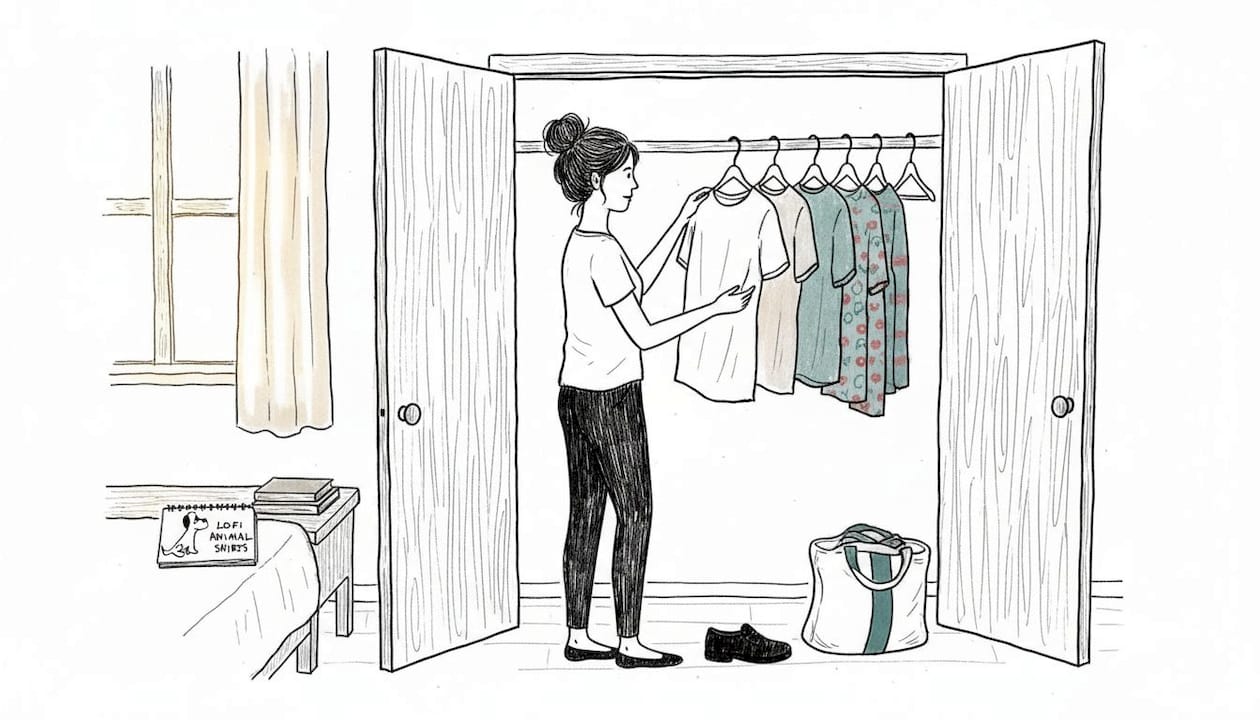
A major study on fashion sustainability found that minimalist fashion isn’t automatically sustainable across the fashion system. Sustainability narratives, including popular ones like secondhand shopping, can coexist with continued overconsumption patterns. In other words, you can shop secondhand, describe your closet as “minimal,” and still be buying and discarding clothes at a damaging rate.
Here are the most common pitfalls people fall into:
- Buying minimalist aesthetics repeatedly. Clean designs are easy to accumulate. Ten plain tees still means ten items you might not need.
- Short garment retention. Owning fewer items but rotating through them quickly defeats the purpose entirely.
- Chasing seasonal “minimal” trends. Minimalism gets repackaged every season with slightly different silhouettes, tricking you into treating it like fast fashion.
- Treating secondhand as a guilt-free pass. Buying secondhand frequently doesn’t automatically offset the environmental cost of your overall consumption.
- Overlooking quality for aesthetics. A visually minimal shirt made from poor materials will fall apart quickly, sending you back to shopping sooner.
“Secondhand spending is positively correlated with new clothing purchases and short garment retention, suggesting sustainability narratives can mask ongoing overconsumption.” Fashion sustainability research
This is the hidden paradox of the secondhand sustainability story. People who shop secondhand the most frequently also tend to buy new items more often. The behavior patterns reinforce each other rather than replacing each other.
Pro Tip: Instead of buying multiple minimalist pieces to “try the aesthetic,” commit to one piece that genuinely speaks to you. A single shirt you love and wear constantly does far more for sustainability than five items you rotate through in a season.
The brands and design philosophies worth following in 2026 understand this tension well. If you’re curious about where subtle animal style trends are heading, the direction is toward more meaning and less volume. Fewer releases, more intention behind each design. And if you want to understand why wearing something that expresses your bold, playful side matters, it comes back to that same mindful minimalism principle. Wear what genuinely represents you, not what fills a visual quota.
Applying minimalism: Curate your unique, humorous animal style
Now that you’ve seen both the benefits and the hidden risks, let’s make minimalism actually work for you. Building a wardrobe around minimalist animal shirts doesn’t require following a rigid formula. It does require a bit of honest self-reflection and a willingness to slow down before you click “add to cart.”
Research reinforces that minimalism can slide into performance when it becomes about maintaining an image rather than living intentionally. The “few belongings” and “mindful” approaches are the ones that generate real wellbeing and environmental benefits. Here’s a practical process for applying those principles to your animal-themed wardrobe:
- Audit what you already own. Look at your current shirts and ask which ones you actually reach for. The answer will surprise you.
- Identify what makes you laugh or feel like yourself. Is it a stoic-looking penguin? A T-Rex with tiny arms looking judgmental? Start there.
- Choose designs with visual clarity. Minimalist line art that communicates instantly and memorably holds its appeal far longer than busy graphics.
- Invest in fabric quality. A shirt that survives three years of regular washing is inherently more sustainable than one that pills and fades in six months.
- Resist trend-chasing. If you’re drawn to a design only because it’s popular right now, wait two weeks. If you still want it, that’s a good sign.
- Pick pieces that tell a small story about you. The best minimalist shirts work because they say something true. A giraffe peeking over a graphic. A frog wearing a subtle crown. These details resonate differently than generic prints.
Understanding what makes minimal line art animal tees worth wearing comes down to that combination of simplicity and character. The best designs in this space feel like they were drawn just for you, even when thousands of other people love them too.
Pro Tip: Don’t build a minimalist wardrobe by shopping more. Build it by replacing strategically. When a shirt wears out or you genuinely outgrow it, replace it with one piece that’s better, funnier, and more you.
The uncomfortable truth about minimalist trends in fashion
Here’s something worth saying plainly. A lot of what gets marketed as minimalism today is just aesthetic trend-chasing with a cleaner color palette. The real point of minimalism, in fashion or anywhere else, is that your choices reflect your actual values and identity. Not a curated Instagram grid. Not a mood board. You.
We’ve spent time curating hand-drawn animal designs specifically because they occupy this rare space where humor, personality, and simplicity coexist. A well-drawn penguin with a deadpan expression isn’t trying to impress anyone. It’s just honest. That honesty is what makes a piece worth keeping.
The uncomfortable paradox most people miss is this: minimalism can absolutely drive overconsumption if you’re pursuing it as an aesthetic. The cleaner and more attainable the look, the easier it is to keep accumulating “minimal” pieces without ever questioning whether you need them. We’ve watched this happen repeatedly in fashion, and the research backs it up.
What actually delivers the wellbeing and sustainability benefits? Owning things that mean something to you, specifically. Not fewer things for the sake of fewer things, but fewer things because you chose carefully. That’s a very different shopping mindset.
When you’re trying to figure out whether minimalist or graphic tees suit you better, the honest answer isn’t about a style category. It’s about which shirt you’ll still be proud to wear in five years. Minimalist animal designs thread this needle well because they’re neither stark nor busy. They’re just quietly, reliably themselves.
That’s the standard worth holding yourself to. Not minimalism as a performance. Minimalism as a filter for what actually earns a place in your closet.
Discover expressive minimalist animal shirts
Ready to curate your own unique minimalist style? Here’s where you can start.
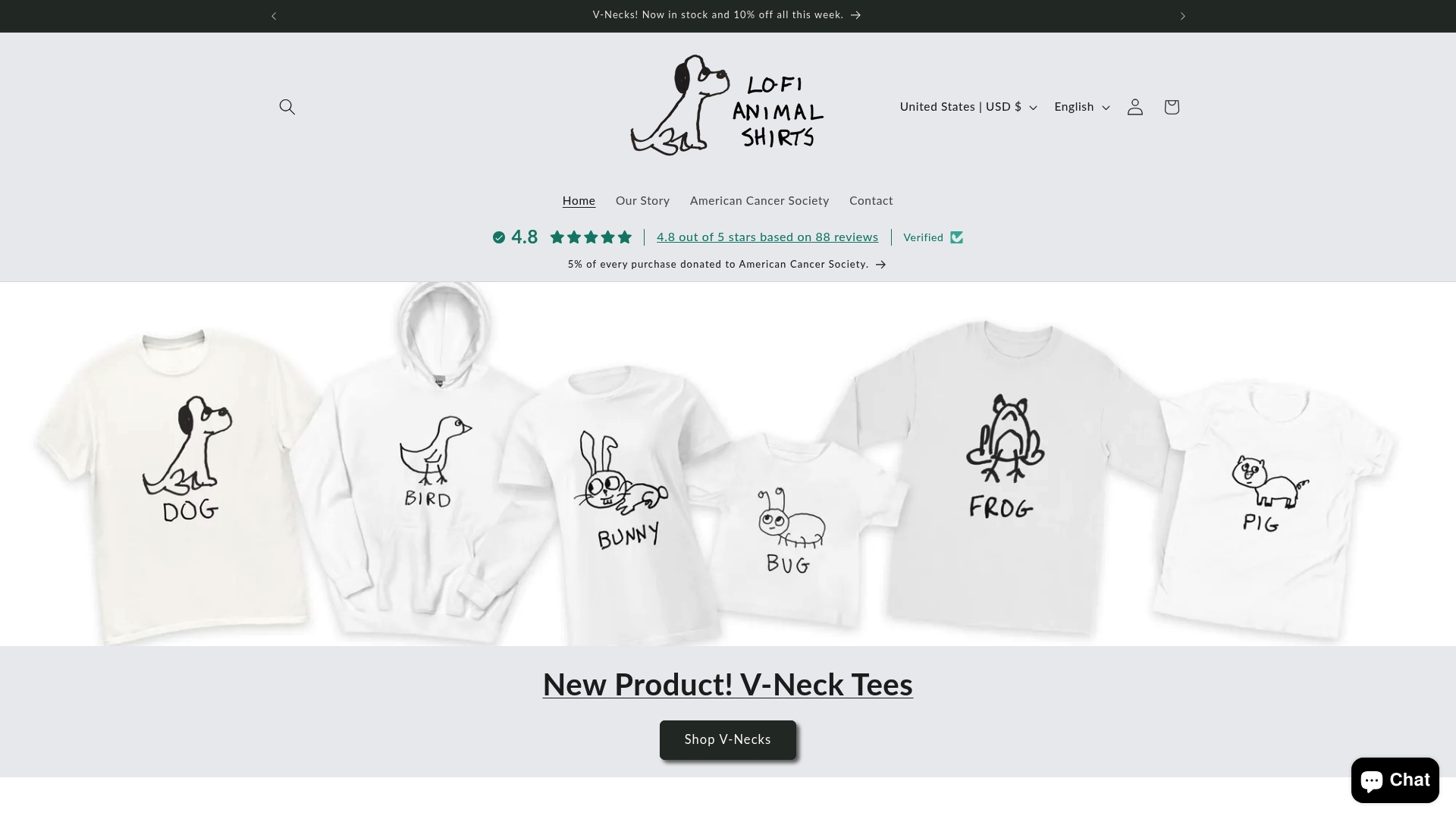
At Lofi Animal Shirts, every design starts with a single idea: what would make someone genuinely smile? From hand-drawn giraffes to tiny, determined T-Rex illustrations, each shirt is built around character, humor, and simplicity. There are no complicated graphics competing for attention, just clean, expressive art that says something true about the person wearing it. Browse the full collection of T-shirts, hoodies, V-necks, and kids’ apparel to find the piece that actually reflects your personality. New designs drop regularly, and each one is worth considering on its own terms, not because it’s trending, but because it might just be the most you shirt you’ve ever owned.
Frequently asked questions
Does minimalist clothing actually help the environment?
Mindful and “few belongings” minimalism meaningfully lowers ecological impact, but purely aesthetic minimalism often has little to no environmental benefit, since minimalism’s environmental effects vary significantly by type.
Is buying secondhand minimalist fashion always sustainable?
Not automatically. Secondhand spending correlates with higher new clothing purchases and short garment retention, meaning secondhand habits can coexist with overall overconsumption rather than replacing it.
How do I choose animal-themed minimalist shirts that reflect my personality?
Select designs based on humor, personal meaning, and genuine connection rather than trend appeal, since mindful curation of belongings produces greater wellbeing and longer satisfaction with purchases.
Can minimalism become a performance or status symbol?
Yes, and it’s more common than most people realize. Minimalism becomes purely aesthetic when the focus shifts to maintaining a look rather than living intentionally, so focusing on personal meaning rather than appearance is the more reliable approach.
Recommended
- Graphic minimalism: style, simplicity, and playful fashion – LoFi Animal Shirts
- Why minimalist animal tees stand out: style, humor, and meaning – LoFi Animal Shirts
- Minimalist Shirt Trends: Subtle Animal Style in 2026 – LoFi Animal Shirts
- Minimalist vs. Graphic Tees: Which Style Fits You Best? – LoFi Animal Shirts